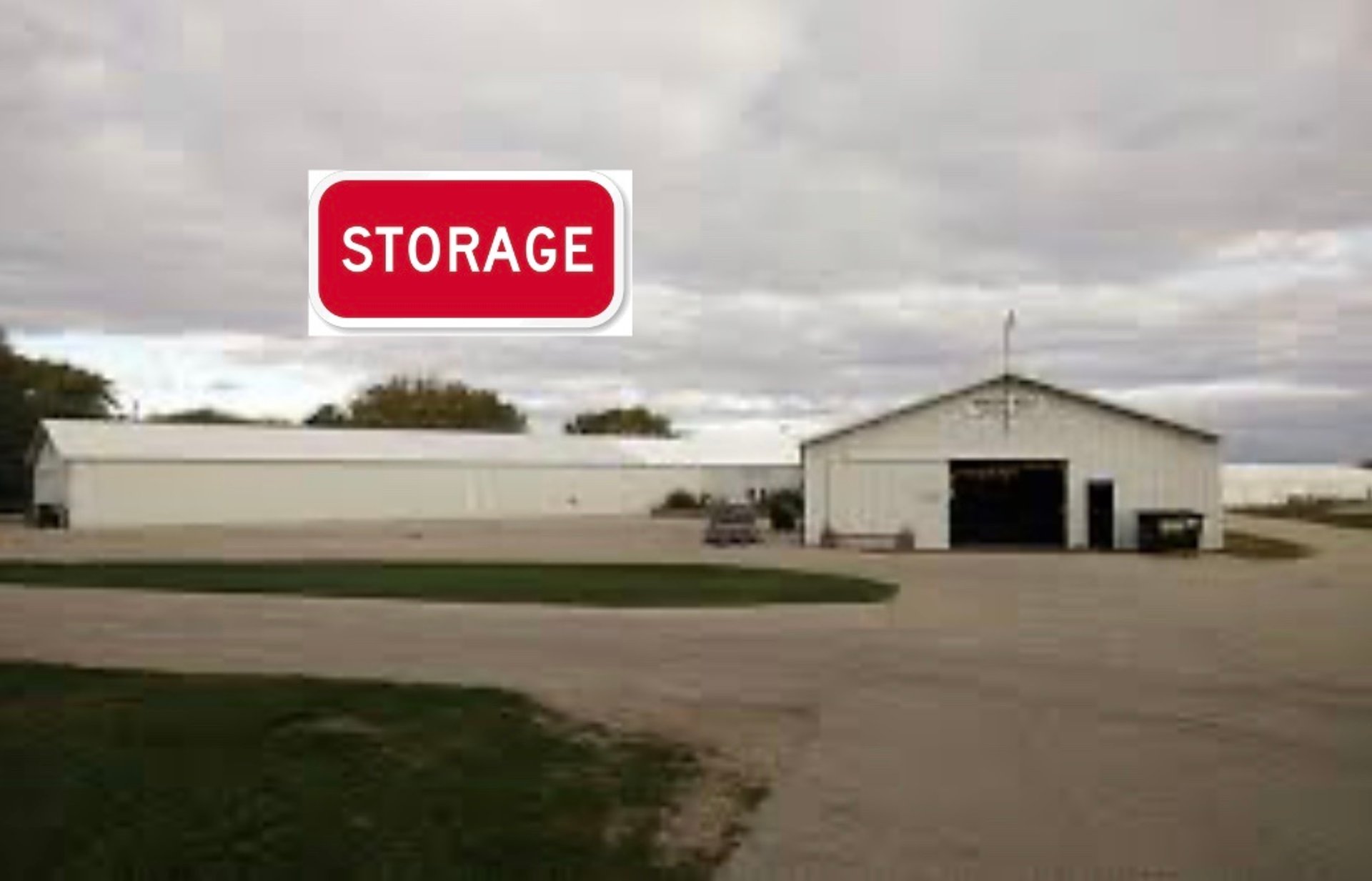
Wisconsin freezing temperatures can damage engines, plumbing, batteries, and other boat systems when water or neglected fluids remain in the wrong places. Indoor storage keeps direct snow, ice, wind, sunlight, and debris off the boat, but an enclosed unheated building does not replace proper mechanical winterization. Preparation should be complete before the boat is positioned for the season.
1. Schedule winterization before the first hard freeze
Do not wait for the storage appointment to decide how the engine will be protected. Inboard, sterndrive, outboard, personal-watercraft, and generator systems can require different draining, flushing, antifreeze, lubrication, and oil-change procedures. Confirm what must be completed, who will do it, and how the work will be documented.
Lake Geneva Boat Storage offers winterization—please inquire—and the service is arranged separately from storage. If another technician is doing the work, allow enough time for completion before the scheduled drop-off. Never assume indoor storage alone protects water-filled components from freezing.
2. Drain and protect every water-holding system
The engine is only one possible source of freeze damage. Depending on the boat, inspect freshwater tanks, water heaters, sinks, showers, heads, holding tanks, livewells, washdown pumps, ballast systems, air-conditioning equipment, bilge pumps, and connected hoses. Drain and protect each system exactly as its manufacturer specifies.
Remove the drain plug where appropriate and make certain bilge areas are clean and dry before arrival. Keep plugs and small fittings in a labeled bag or secure location so spring recommissioning is orderly. Do not leave loose parts where they can roll around the boat during positioning.
3. Prepare fuel and fluids deliberately
Review the recommended fuel level and fuel-stabilizer procedure for the specific engine and tank. If stabilizer is used, measure it correctly and allow treated fuel to circulate according to product and manufacturer directions. Check engine oil, drive lubricant, coolant protection, power steering fluid, trim systems, and other service points appropriate to the boat.
Repair active fuel, oil, coolant, or hydraulic leaks before storage. A minor leak can become a larger problem over six months and can affect the concrete floor or neighboring property. Record the date, engine hours, and services completed so the spring startup does not depend on memory.
4. Choose a battery plan
Batteries can lose charge during a long Wisconsin winter. Follow the battery and boat manufacturers' directions for disconnecting, removing, charging, and storing each battery. Turn off master switches only when that procedure is appropriate for the boat, and label cables before removing anything.
Do not assume electrical outlets or battery-maintainer connections will be available in seasonal storage. If batteries are removed, protect the terminals and store them in a suitable location. Note any radio codes, alarm settings, or electronic procedures that will be needed in spring.
5. Clean, dry, and ventilate the interior
Remove food, beverages, fishing bait, damp towels, life jackets that are not fully dry, and personal property you will need during winter. Clean lockers, coolers, livewells, upholstery, carpets, canvas, and the bilge. Allow every area to dry thoroughly before closing the boat.
Use moisture-control products only when they are suitable for the boat and permitted by the storage facility. Open interior doors or compartments when recommended for ventilation, but secure every hatch and loose item for transport and positioning. Never cover or close up a damp boat.
6. Decide what cover belongs indoors
Outdoor storage normally requires a weather-resistant fitted cover or professionally installed shrink wrap. Inside an enclosed building, the goal is different: a clean, breathable cover may control dust, while a heavy exterior wrap may be unnecessary. Ask what the facility permits and make sure any cover is dry, secure, and unlikely to rub finishes.
Lower or remove convertible tops, Bimini frames, antennas, ski pylons, and other equipment only as the manufacturer recommends. This may also reduce the overall height, but measure the boat in the exact configuration that will arrive at the building.
7. Inspect and measure the trailer
Check trailer tire pressure, tread, sidewalls, wheel bearings, lights, brakes, coupler, safety chains, winch strap, tie-downs, and tongue jack. The boat must travel safely to the facility and remain stable while positioned. Repair a weak tire, damaged strap, or unreliable jack before the appointment rather than at the storage entrance.
Lake Geneva Boat Storage accepts qualifying boats up to 25 feet in manufacturer boat length and no more than 8 feet 11 inches in overall height while on the trailer. Width, trailer configuration, and final fit are confirmed before reservation. Trailer storage is included free.
8. Document condition and maintain insurance
Photograph the hull, propeller, drive, windshield, interior, trailer, and existing marks before drop-off. Keep appropriate boat and trailer insurance active for the entire term, and retain the storage agreement, registration, preparation notes, winterization record, and emergency contact information.
Remove valuables, electronics that should not remain aboard, keys not required by the facility, and anything you might need before spring. At our facility, boats and vehicles are not accessible during the winter season, so the final walk-through matters.
Before drop-off
Wisconsin winter boat-storage checklist
- Complete and document mechanical winterization
- Drain and protect every water-holding system
- Check fuel, oil, drive lubricant, coolant, and other fluids
- Repair active fuel, oil, coolant, or hydraulic leaks
- Follow the correct battery-storage procedure
- Remove food, damp items, valuables, and needed electronics
- Clean and completely dry the interior, bilge, and canvas
- Inspect trailer tires, bearings, lights, straps, and jack
- Confirm boat length, overall height, width, and trailer fit
- Maintain insurance and photograph the boat and trailer
Plan for the 2026–27 storage season
Lake Geneva Boat Storage is located at 411 East Court Street in Elkhorn, Wisconsin, a short trip north of Lake Geneva. This is the physical storage facility, not a mailing address, and visits are by appointment only. Drop-off is Saturday, October 17, 2026, from 8:00 a.m. until noon sharp. Pickup is April 17, 2027, from 8:00 a.m. until 11:00 a.m. sharp.
Storage is $36 per lineal foot of manufacturer boat length for the full six-month indoor term, with trailer storage included free. An additional 5.5% county and state sales tax applies. Use the boat-storage price calculator and review the seasonal drop-off requirements before completing the inquiry form.