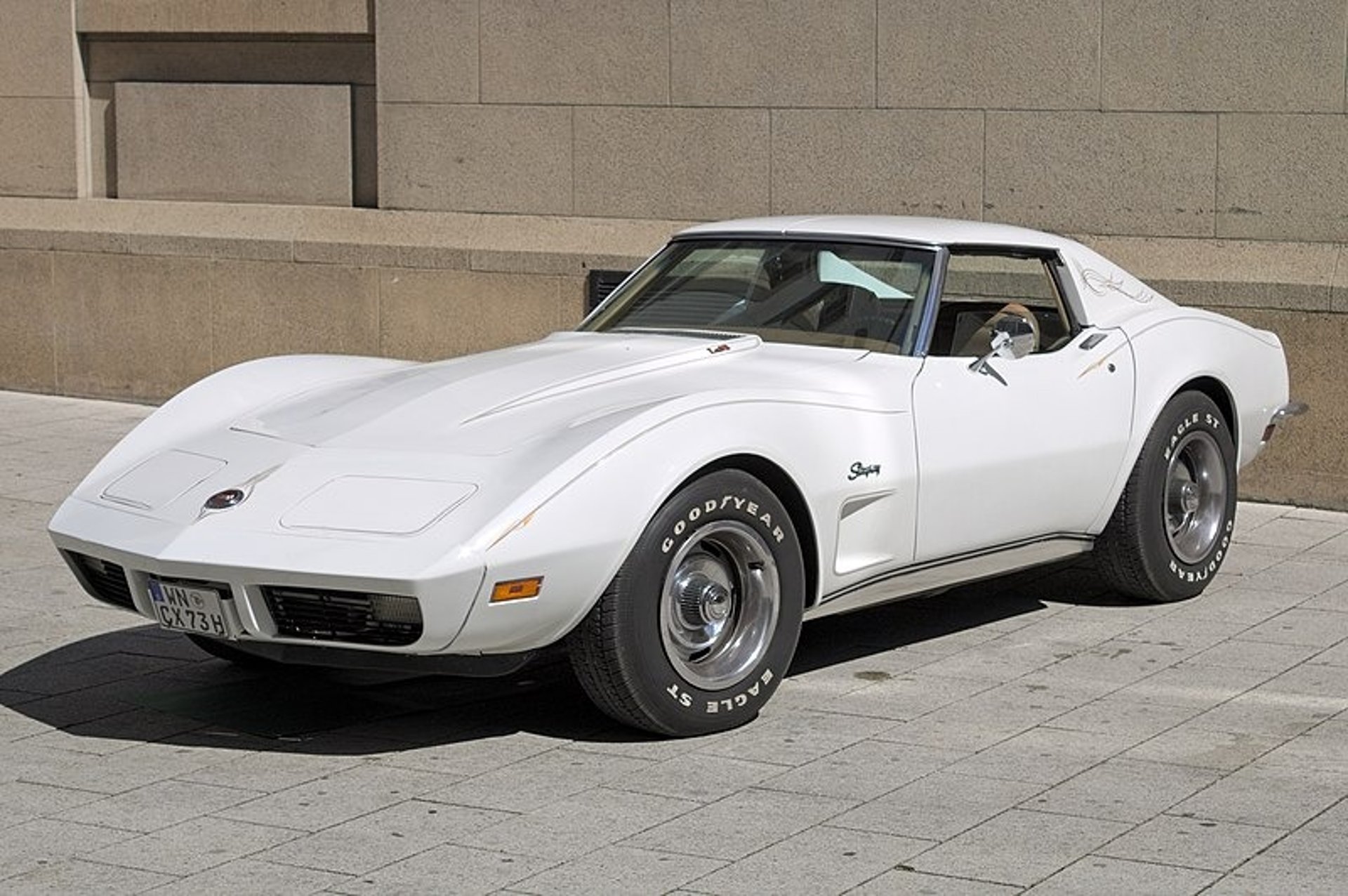
Six months is long enough for a battery to discharge, tire pressures to change, moisture and dirt to affect finishes, and a small mechanical issue to become a springtime surprise. The best storage experience begins before the vehicle reaches the building.
1. Clean and completely dry the vehicle
Wash away road film, insects, bird residue, and other contamination before storage. Pay attention to wheel openings, lower body panels, trim, glass, and wheels. Dry the car thoroughly, including door jambs and areas where water can remain trapped.
Clean the interior and remove food, paper, damp towels, and anything that could create odor or attract pests. Vacuum carpets and upholstery. If leather or vinyl requires treatment, use a product appropriate for the original material and allow it to dry before the car is closed.
2. Address fuel, fluids, and leaks before arrival
Do not assume that every classic car should be stored with the same amount of fuel. Consult the owner’s manual or a trusted technician familiar with your vehicle, then follow the facility’s requirements. If a fuel stabilizer is recommended, use it correctly and allow treated fuel to circulate according to the product and vehicle instructions.
Check engine oil, coolant protection, brake fluid, transmission fluid, and other service items appropriate to the car. Repair active leaks before drop-off. A small coolant, fuel, oil, or brake-fluid leak can worsen during storage and may affect neighboring vehicles or the concrete floor.
3. Make a deliberate battery plan
A connected battery can discharge during a long winter, particularly when a vehicle has clocks, alarms, radios, or other parasitic electrical loads. Decide before arrival whether the battery will be disconnected or removed, based on the manufacturer’s guidance and the storage agreement.
Do not assume that electrical power or a battery maintainer will be available inside a seasonal storage building. If disconnecting the battery changes alarm, radio, computer, or key programming, record the correct procedure before storage.
4. Inspect tires and record pressures
Inspect every tire for cracking, damage, age, and low pressure. Inflate tires to the manufacturer’s recommended storage or operating specification rather than guessing or substantially overinflating them. Record the pressure at drop-off so it can be checked again in spring.
Owners concerned about flat spotting should follow tire and vehicle manufacturer recommendations. The correct approach depends on tire construction, vehicle weight, wheel design, and the length of storage.
5. Protect the finish without trapping moisture
If a cover is used, it should be clean, breathable, properly sized, and approved by the facility. A dirty or poorly fitted cover can rub paint, trap moisture, or interfere with moving the vehicle. Never cover a damp car.
Close the convertible top unless the manufacturer recommends otherwise. Make sure windows, trunk, hood, doors, and removable roof panels are secured as required for storage and vehicle positioning.
6. Maintain insurance and document the car
Keep the required insurance active for the full storage term. Before drop-off, photograph the exterior, interior, wheels, mileage, and any existing marks. Save copies of the storage agreement, insurance information, registration, emergency contact details, and preparation notes.
Remove valuables, spare keys you do not intend to provide, personal documents, garage-door transmitters, and unnecessary accessories. Ask in advance which key must remain with the facility.
7. Disclose anything that affects safe positioning
Tell the facility before arrival if the vehicle has very low ground clearance, unusual width or length, manual starting procedures, an immobilizer, difficult steering or brakes, fluid seepage, nonstandard controls, or does not run. Advance notice allows the operator to determine whether the car can be accepted and positioned safely.
8. Arrive ready for the entire storage term
Seasonal storage is different from a garage that offers frequent access. At Lake Geneva Boat Storage, cars and other vehicles are not accessible during the winter season. Everything the owner needs to remove, document, disconnect, or prepare should therefore be handled before the vehicle is positioned.
Before-you-leave checklist
Classic-car winter-storage checklist
- Wash, clean, and completely dry the car
- Remove food, valuables, and unnecessary personal property
- Confirm fuel and fluid preparation with the manufacturer or technician
- Repair active leaks
- Choose and document the battery plan
- Inspect tires and record pressures
- Maintain required insurance
- Photograph condition and mileage
- Disclose low clearance, modifications, leaks, or starting issues
- Bring the correct key and required paperwork
Classic-car storage near Lake Geneva
Lake Geneva Boat Storage offers indoor seasonal storage at 411 East Court Street in Elkhorn, Wisconsin, for qualifying classic and collector cars. The 2026–27 rate is $110 per month.
Drop-off: Saturday, October 17, 2026, from 8:00 a.m. until noon.
Pickup: April 17, 2027, from 8:00 a.m. until 11:00 a.m. sharp.
To request space, complete the classic-car storage form with the vehicle year, make, model, overall length, running condition, and preparation details.